When a heat wave arrives, your air conditioner can go from running occasionally to operating for much of the day. That extended workload makes home comfort more important, but it can also expose neglected maintenance issues, restricted airflow, dirty components, and other problems that reduce cooling performance.
Fortunately, homeowners can take several practical steps to help an air conditioning system operate more efficiently during extreme heat. Good maintenance habits, sensible thermostat settings, reduced indoor heat gain, and timely professional service can all make a difference.
Here is how to help your AC handle demanding summer weather without putting unnecessary strain on the system.
1. Start With a Clean Air Filter
One of the easiest ways to support efficient air conditioning is to check the HVAC filter regularly. As dust, pet hair, and other particles accumulate, airflow through the system can become restricted.
Reduced airflow may force the AC to work harder to cool the home. It can also contribute to uneven temperatures and poor system performance.
During periods of frequent AC use, inspect the filter more often than you might during mild weather. Replacement frequency depends on the filter, household conditions, pets, and how frequently the equipment operates.
Never assume a higher-rated filter is automatically better. The HVAC system must be capable of handling the filter’s airflow resistance, so follow equipment recommendations or ask an HVAC professional which filter is appropriate.
2. Avoid Extreme Thermostat Adjustments
Coming home to an overheated house may tempt you to set the thermostat dramatically lower. However, setting the temperature to an unusually low number generally will not make a conventional air conditioner cool the house faster.
Instead, select a comfortable and realistic indoor temperature. Constantly making major thermostat adjustments can result in longer operating periods without delivering the benefit homeowners expect.
A programmable or smart thermostat can also help manage temperatures according to your schedule. For example, you may be able to reduce cooling demand when the home is unoccupied and return to a comfortable setting before everyone comes home.
During a severe heat wave, understand that your system may run longer than usual. Longer cycles do not automatically mean something is wrong, particularly when outdoor temperatures are exceptionally high.
3. Keep the Outdoor AC Unit Clear
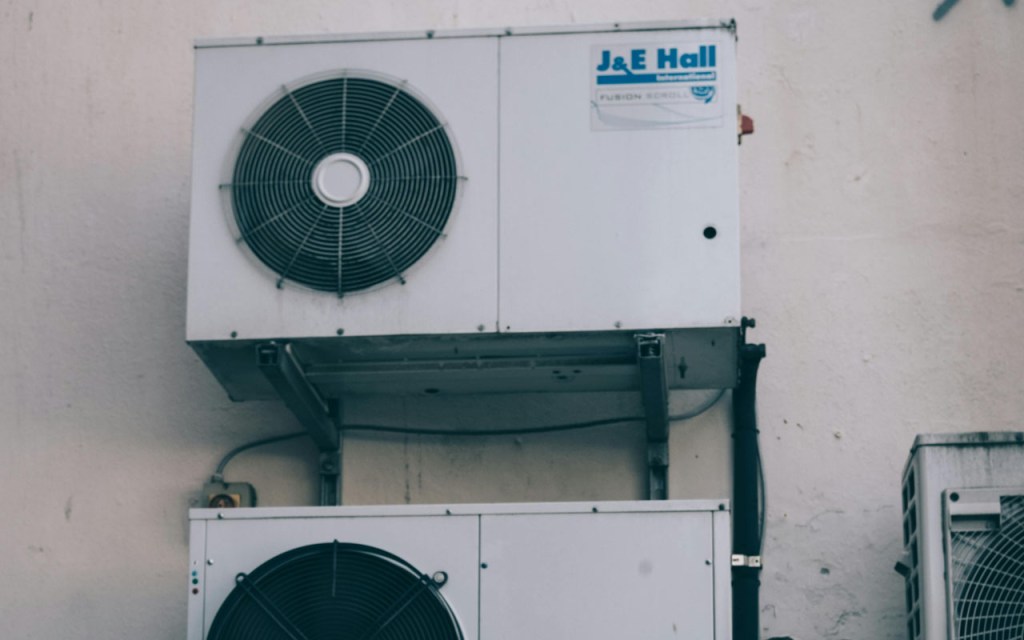
The outdoor condenser needs sufficient airflow to release heat collected from inside your home.
Leaves, weeds, landscaping, dirt, and other debris around the equipment can interfere with airflow. Inspect the surrounding area and remove loose obstructions while maintaining appropriate clearance around the unit.
Avoid placing objects against the condenser or covering it while the air conditioner is operating.
If the condenser coil is heavily soiled, professional cleaning may be appropriate. Homeowners should avoid aggressive cleaning methods that could bend delicate coil fins or damage electrical components.
4. Reduce Heat Entering Through Windows
Your AC does not create cool air without effort—it removes heat from your home. Reducing the amount of heat entering the building can therefore decrease the cooling load.
Windows exposed to strong afternoon sunlight can contribute significant indoor heat. Closing blinds, shades, or curtains during the hottest part of the day can help rooms remain more comfortable.
This is particularly useful for west- and south-facing windows that receive intense sunlight.
Longer-term improvements such as appropriate window coverings, weather sealing, insulation, or energy-efficient windows may further reduce unwanted heat gain.
5. Use Ceiling Fans Strategically
Ceiling fans do not lower the actual room temperature, but moving air can make occupants feel more comfortable. This may allow you to maintain a slightly higher thermostat setting without sacrificing comfort.
Remember to turn fans off in empty rooms. Since fans cool people rather than the room itself, leaving them operating in unoccupied spaces wastes electricity.
Fans should complement air conditioning rather than compensate for an AC system that is malfunctioning.
6. Minimize Heat-Producing Activities
Everyday household activities can add heat indoors at exactly the time your air conditioner is working hardest.
Using an oven, running certain appliances, or allowing unnecessary lighting to remain on can increase the home’s cooling demand. During extremely hot afternoons, consider moving heat-producing activities to the morning or evening when possible.
Outdoor grilling, countertop appliances, or meals that require less oven use can help reduce indoor heat during peak periods.
Small changes may seem insignificant individually, but reducing multiple sources of indoor heat can make your home easier to cool.
7. Keep Supply and Return Vents Unobstructed
Furniture, rugs, curtains, storage items, and other household objects can accidentally block HVAC registers.
Walk through your home and make sure supply vents have room to distribute conditioned air. Return-air openings should also remain unobstructed so air can circulate back through the system.
Closing multiple vents in unused rooms is not always an effective energy-saving strategy. Central HVAC systems are designed around particular airflow requirements, and excessive vent closure may negatively affect system operation.
If certain rooms consistently receive poor airflow, have the HVAC system evaluated instead of relying on closed vents to redirect air.
8. Check Doors and Windows for Air Leaks
An air conditioner has to work harder when cooled indoor air escapes and hot outdoor air continually enters the home.
Inspect exterior doors and windows for obvious gaps or deteriorated weatherstripping. Sealing appropriate air leaks can improve comfort and reduce unnecessary cooling demand.
Do not intentionally seal ventilation openings that are required for combustion equipment or safe building operation. If you are unsure whether an opening should be sealed, consult a qualified professional.
9. Pay Attention to Warning Signs
Heat waves often reveal AC problems because the equipment is operating under sustained demand.
Contact an HVAC professional if you notice symptoms such as:
- Warm air coming from the vents
- Weak or unusually low airflow
- Frequent starting and stopping
- Unusual grinding, buzzing, or rattling noises
- Water around indoor HVAC equipment
- Ice forming on refrigerant lines or components
- Burning or unusual electrical odors
- A sudden increase in cooling costs
- An AC that runs continuously without maintaining a reasonable temperature
Continuing to operate equipment with a serious problem can potentially lead to additional damage.
If you notice ice, for example, simply removing it does not address the underlying cause. Airflow restrictions, refrigerant-related problems, or other mechanical issues may require professional diagnosis.
10. Schedule Preventive AC Maintenance
Preventive maintenance is one of the most valuable ways to prepare an air conditioner for demanding summer conditions.
Professional HVAC maintenance may include inspecting electrical components, checking system operation, examining drainage, evaluating airflow, cleaning appropriate components, and identifying worn or failing parts.
Ideally, AC maintenance should be completed before the hottest weather arrives. However, if your system has not been inspected recently and performance seems to be declining, professional service can still be worthwhile during the cooling season.
Catching a developing problem early may help prevent an inconvenient breakdown during a period when your household depends heavily on air conditioning.
11. Don’t Forget About Your Ductwork
Even a properly functioning air conditioner can struggle to deliver comfort when the duct system has significant problems.
Damaged, disconnected, poorly insulated, or leaking ducts can allow conditioned air to escape before reaching living areas. Poor duct design can also contribute to rooms that never seem as comfortable as the rest of the house.
If your AC appears to operate normally but certain areas remain unusually warm, ductwork should be considered as part of the diagnosis.
Professional evaluation can determine whether repairs, sealing, insulation improvements, or airflow corrections are appropriate.
12. Know When an Older AC May Need Replacement
Maintenance can improve the performance of a serviceable system, but it cannot make severely worn equipment new again.
If your air conditioner needs frequent repairs, struggles repeatedly during hot weather, produces inconsistent temperatures, or has become increasingly expensive to operate, discussing replacement options may be worthwhile.
A professional contractor can compare the condition of the existing system with the potential benefits and costs of new equipment. Factors such as repair expense, system age, efficiency, comfort performance, and future reliability should all be considered.
Replacement should be based on the overall condition of the equipment rather than a single symptom.
Give Your AC the Best Chance During Extreme Heat
Heat waves place significant demands on residential air conditioning systems, but homeowners can reduce unnecessary strain with simple habits. Keep filters clean, maintain airflow around indoor and outdoor equipment, limit afternoon heat gain, use thermostat settings wisely, and address unusual system behavior before a minor problem becomes a major repair.
Most importantly, remember that efficiency depends on the entire HVAC system. The air conditioner, thermostat, ductwork, insulation, airflow, and condition of the home all influence how effectively your property stays comfortable.
For professional air conditioning maintenance, troubleshooting, repair, or system recommendations, contact Camacho Air HVAC Contractor. Experienced HVAC service can help keep your cooling system prepared for Southern California’s demanding summer temperatures.


Leave a Reply